


Budowa

Construction

Building a house is a lifetime investment. Choose materials and technologies that will reduce your energy bills to a minimum. Build smart, not expensive.

Smart home construction and energy-efficient technologies

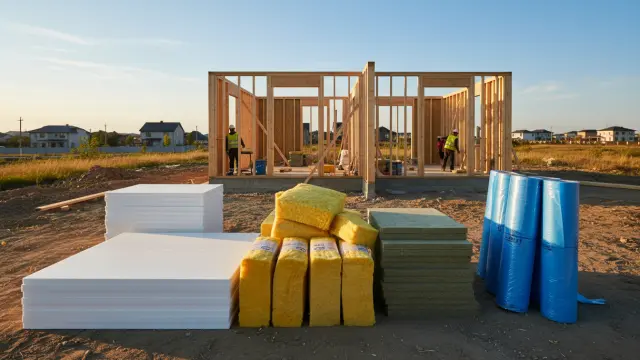
Planning a house build requires knowledge of building materials. We explain the importance of solid insulation and modern heat pumps. Avoid mistakes at the stage of building foundations and walls. Learn how to build durably and economically, so your home is warm, quiet, and exceptionally cheap to maintain for you and your whole family.

FAQ - Frequently asked questions

The average cost for a standard developer finish is around £1,800 - £3,000 per sq m, depending on the technology and standard of finish.

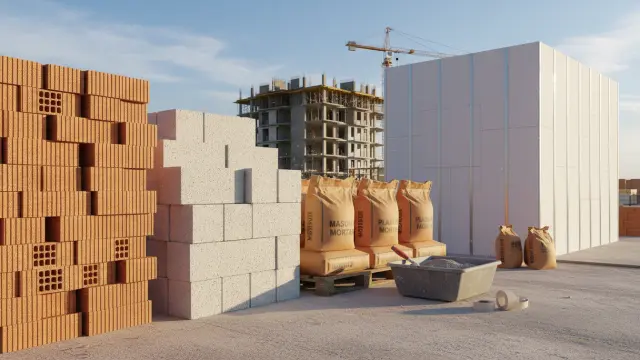
The cost is similar. Timber frame wins on construction time (3-4 months), while masonry wins on thermal mass and the wide availability of builders.

It is not legally mandatory, but without it, it is very difficult to meet the current energy performance standards for new builds.

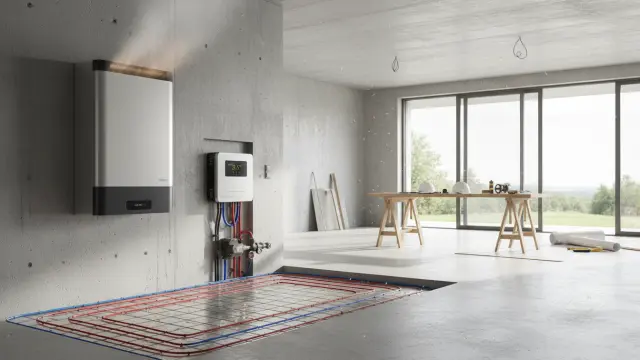
Air source is cheaper to install and sufficient for new, well-insulated homes. Ground source has higher efficiency in deep winter, but the boreholes are expensive.

These are technical standards for thermal insulation (e.g., U-values). They require thick insulation and often the use of renewable energy sources to comply.

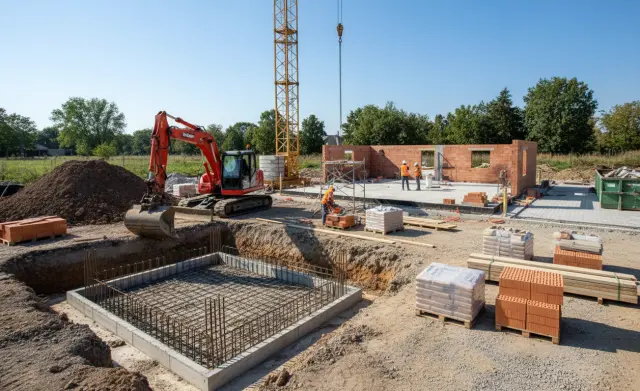
For energy-efficient homes, a foundation slab is better - it eliminates thermal bridging and shortens groundworks time.

Yes, spray foam tightly fills the gaps in the roof structure, eliminating thermal bridges. It is also faster to apply than mineral wool.

In new homes, triple-glazed units with a U-value of less than 0.9 W/m2K are now standard.

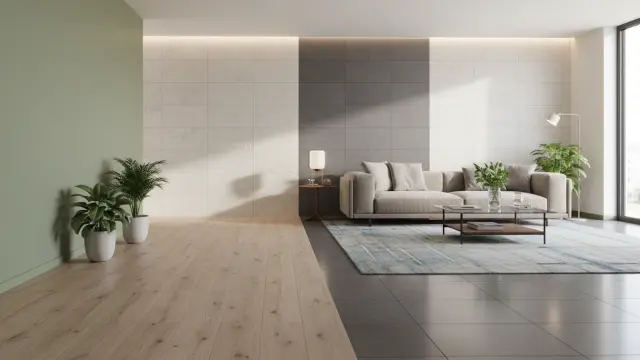
Only after wet trades (plastering, screeding) are finished and have completely dried, and after the flooring has been laid.

Yes, it is a legally required role. They are responsible for managing the construction site, overseeing health and safety, and ensuring work complies with the design.